
bathroom mirror manufacturers
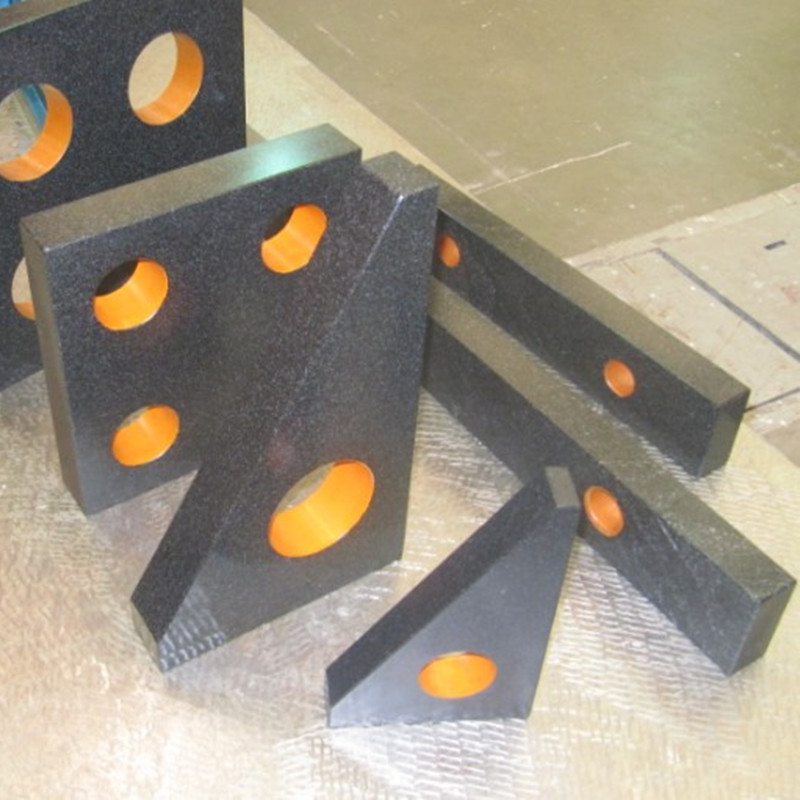
Understanding Granite Fabrication Tables Granite fabrication tables are essential tools in the stone industry, specifically in the process of working with granite and other natural stones. These tables provide a stable, flat surface for cutting, shaping, and finishing stone slabs. The importance of granite fabrication tables cannot be overstated, as they significantly enhance the precision and efficiency of the stone fabrication process. What are Granite Fabrication Tables? Granite fabrication tables are specialized workbenches designed specifically for the manipulation of stone materials. Typically made from high-quality granite, these tables offer a flat, durable surface that allows fabricators to carry out various tasks with utmost precision. The tables often feature built-in vacuum systems to hold the stone slabs firmly in place, ensuring accuracy during cutting and shaping. Their surfaces are resistant to scratches, allowing for heavy use without losing functionality. The Benefits of Using Granite Fabrication Tables One of the primary advantages of granite fabrication tables is their ability to provide an ultra-flat surface. This flatness is crucial because even minor inaccuracies can lead to significant issues when the stone is being cut or shaped . A variation in surface height can affect the angles and seams during installation, leading to unsightly gaps and misalignments. By providing a perfectly flat reference, granite fabrication tables help ensure that every cut is precise, which is vital for achieving high-quality finished products. Moreover, granite fabrication tables are designed to withstand the heavy weights of stone slabs. They are built to endure the pressure of various tools, including saws, grinders, and polishers, without warping or damaging the surface. This robustness makes them an ideal choice for busy fabrication shops that require reliable equipment that can handle rigorous daily use. granite fabrication tables Another significant benefit is the incorporation of advanced features such as integrated measuring systems and adjustable supports. These features facilitate more complex fabrications, allowing fabricators to create intricate designs and custom shapes with greater ease. Some tables come equipped with grid lines and measurement marks, enabling quick reference as slabs are manipulated. Customization and Flexibility Granite fabrication tables can be customized according to the specific needs of a fabrication shop. Depending on the volume of work, a business might require larger tables or those equipped with additional features like rolling carts for easier maneuverability. Some tables are designed with specific attachments for particular types of machinery, enhancing productivity by making transitions between tasks smoother. A Sustainable Choice As the industry moves towards more sustainable practices, granite itself is an environmentally friendly material when sourced responsibly. Using durable granite for fabrication tables aligns with sustainable principles, promoting longevity and reducing the need for frequent replacement. Moreover, this choice minimizes waste during the fabrication process, as a durable workspace reduces the chances of errors and excess cuts. Conclusion In the world of stone fabrication, granite fabrication tables are invaluable assets. They provide the necessary support and stability for precision work, while their robust nature ensures they can withstand the rigors of heavy use. The customization options available make them versatile solutions tailored to the varying needs of different fabricators. As the demand for high-quality stone products continues to grow, the role of granite fabrication tables will remain crucial in producing beautiful and precise stone installations that meet the expectations of clients and the industry alike. With ongoing advancements in technology and design, these tables will continue to evolve, further enhancing the efficiency and quality of granite fabrication.
about
bathroom mirror manufacturers
Understanding Precision Welding Key Considerations and Techniques Precision welding is a crucial process in various industries, ranging from aerospace and automotive to electronics and medical device manufacturing. It involves joining materials with high accuracy and minimal distortion, ensuring that the final product meets stringent quality standards. This article will explore the essential aspects of precision welding, including techniques, applications, and benefits. Techniques of Precision Welding There are several welding techniques that are commonly employed to achieve precision welding. Each method has its own advantages and is suitable for different applications 1. TIG Welding (Tungsten Inert Gas Welding) TIG welding is favored for its ability to produce clean and high-quality welds. It uses a non-consumable tungsten electrode to create an arc, which melts the base material and filler metal if used. The process allows for precise control over the heat input, making it ideal for thin materials and delicate components. 2. MIG Welding (Metal Inert Gas Welding) MIG welding is known for its speed and ease of use. It feeds a continuously fed wire electrode into the weld pool. This method is particularly effective for welding thicker materials and can produce strong joints. MIG welding is often used in manufacturing due to its efficiency. 3. Laser Welding This advanced technique utilizes focused laser beams to melt the materials being joined. Laser welding offers unparalleled precision and is capable of producing very narrow welds with minimal heat-affected zones. It is commonly used in industries where tight tolerances are a must, such as in the production of semiconductor devices and precision medical equipment. 4. Electron Beam Welding (EBW) Similar to laser welding, EBW employs a focused beam, but instead, it uses a stream of electrons. This method operates in a vacuum, making it suitable for materials that are difficult to weld with traditional methods. EBW is often used in aerospace applications, where weight and strength are critical. Applications of Precision Welding Precision welding finds applications across a broad spectrum of industries - Aerospace In this sector, precision welding is used to fabricate critical components such as airframes, engines, and fuel tanks. The integrity of these welds is paramount, as even minor defects can lead to catastrophic failures. precision welding table - Automotive Precision welding techniques are employed to assemble various parts of vehicles, including body panels and frame components. The automotive industry requires high-strength joints that can withstand the rigors of operation while maintaining lightweight structures. - Electronics The miniaturization of electronic components has necessitated the use of precision welding to join tiny parts with great accuracy . Techniques like laser welding are commonly used in manufacturing circuit boards and microelectronic packages. - Medical Devices In the medical field, precision welding is critical for producing implants and surgical instruments. The materials used often require biocompatibility, making the precision of the weld even more significant. Benefits of Precision Welding The benefits of precision welding are considerable - High Quality Precision welding techniques produce welds with high dimensional accuracy and minimal imperfections, which are essential for critical applications. - Reduced Waste As precision welding minimizes thermal distortion, it reduces the need for additional finishing processes, thereby saving material and time. - Enhanced Strength Precision welds are often stronger than the base materials, improving the overall performance of the welded component. - Consistency Automation in precision welding processes leads to repeatable results, which is crucial in high-volume manufacturing environments. In conclusion, precision welding is an indispensable technology in modern manufacturing. By understanding the various techniques and their applications, industries can harness the benefits of this process, ensuring high-quality products that meet the demands of today's marketplace. As technology continues to advance, we can expect further improvements in precision welding methods, enhancing their efficiency and effectiveness across various sectors.
-

High quality industrial productsagement

High quality industrial products
View Details -

Meet the diverse needs of customers

Meet the diverse needs of customers
View Details -

Strict quality control

Strict quality control
View Details -

Top raw materials

Top raw materials
View Details -

Trusted supplier

Trusted supplier
View Details
Our application


news and information
y type strainer filter,,10
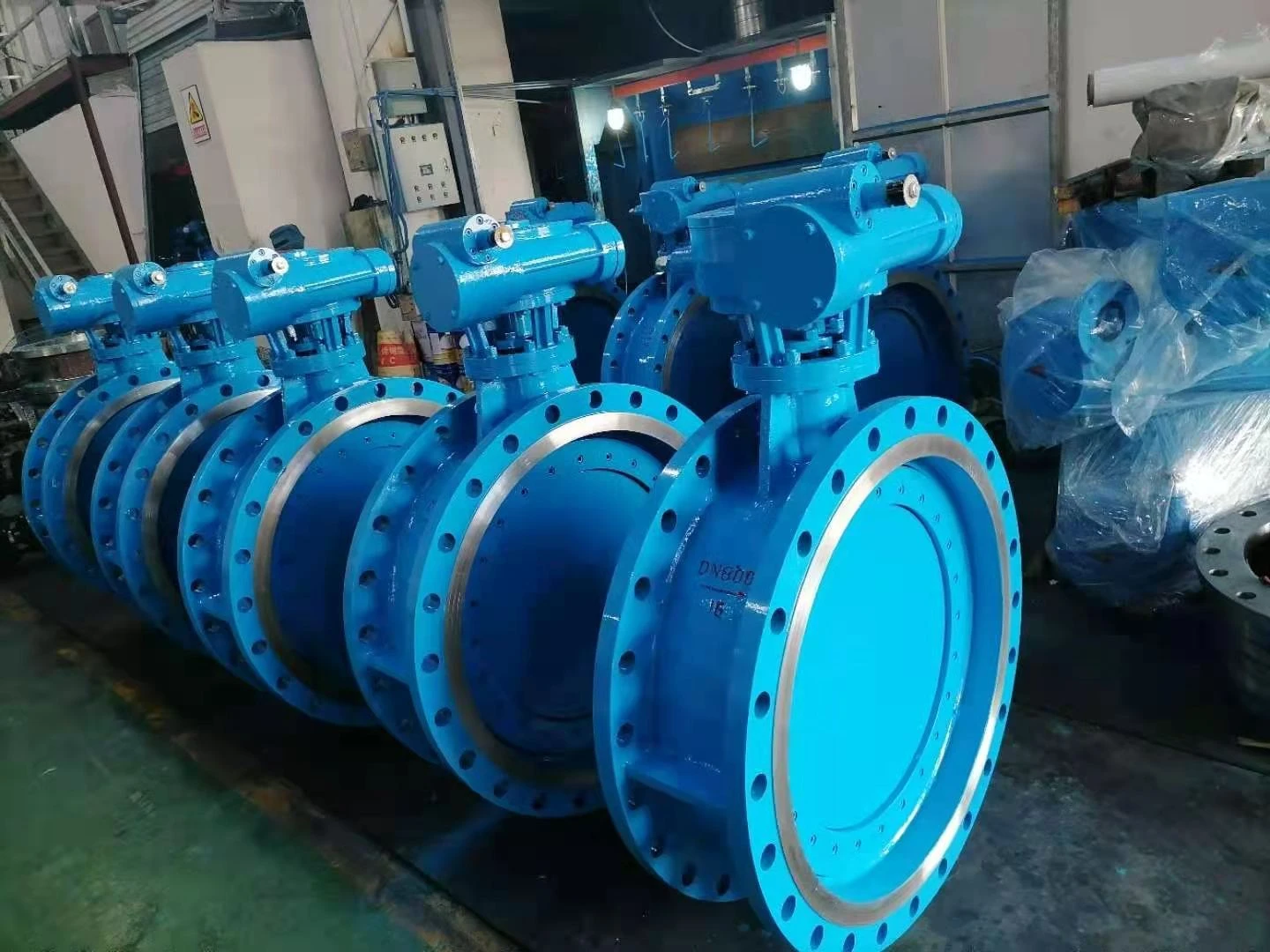
Y Type Strainer Filter A Compreensive Guide Y Type Strainer Filter has become an essential tool in

Versatile Six-Sided Aluminum Alloy Angle Measurement Tool for Precision Applications
The Versatility of Six-Sided Aluminum Alloy Angle Measuring Tools In the world of precision measurem
y type water strainer
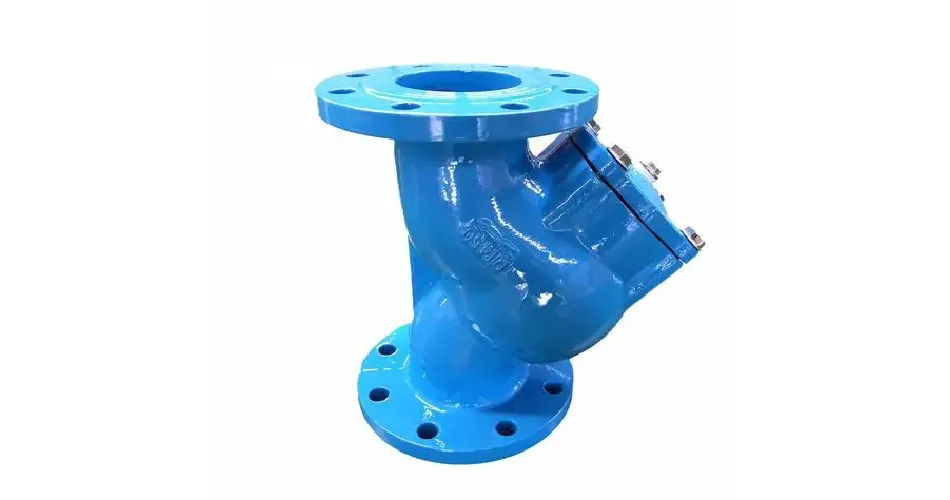
Understanding Y-Type Water Strainers Functionality, Benefits, and Applications Water strainers are e
 English